


After its winter dormancy, the lawn needs special care to ensure healthy growth in the spring. Mowing after the winter break is an important step in revitalizing the lawn and getting it off to the best possible start in the new season.
But when is the right time for the first cut? What cutting height is ideal to avoid damaging the lawn? In this article, you'll learn everything you need to know about mowing your lawn after the winter break to achieve a dense, healthy turf.
Contents
- Why is proper lawn mowing after winter dormancy so important?
- When should you mow the lawn after its winter dormancy?
- Important tips for mowing the lawn after winter dormancy
- Care after the first cut: What to do after mowing?
- Segway Navimow: The ideal robotic lawnmower for spring after winter dormancy
- Conclusion
- FAQs about mowing the lawn after winter dormancy
Why is proper lawn mowing after winter dormancy so important?
The first mowing after winter dormancy is crucial for healthy growth in spring. Choosing the right cutting height promotes regrowth. Below are the most important reasons why proper lawn mowing after winter dormancy is so important:
Protection of the roots
After winter dormancy, grass roots become more sensitive. If you mow the lawn after winter, cutting too short will remove excessive leaves. This exposes the roots to sunlight and air, which can cause them to dry out or be damaged by wind. Moderate mowing is the best way to protect the root system.
Health and disease resistance
The first cut after winter dormancy not only affects the lawn's appearance but also its long-term health. With proper care, the lawn remains robust. A strong lawn, regularly maintained at a healthy height, suppresses weed growth more effectively and is more resistant to pests and diseases. Conversely, mowing too short weakens the lawn's defenses and makes it more susceptible to fungal infections and other diseases.
Sufficient sunlight
Sunlight is essential for grass photosynthesis. To absorb light and produce nutrients that support growth, grass needs sufficient foliage. Mowing too short reduces the grass's efficiency in absorbing sunlight, while a moderate mowing height supports photosynthesis and thus promotes healthy lawn growth.
Dense lawn
Gentle mowing not only benefits individual blades of grass but also promotes a dense lawn. A compact lawn protects the soil from erosion and suppresses weed growth. Mowing too short prevents sufficient grass growth, resulting in sparse, patchy lawns that are more susceptible to weeds.
When should you mow the lawn after its winter dormancy?
When temperatures rise and the lawn starts growing again, it's a sign that its winter dormancy is over. Now gardeners face their first problem: When is the best time to mow the lawn after winter? Don't worry – we've compiled the best times for mowing!
Mowing the lawn for the first time after winter dormancy:
- **Temperatures rise above 10°C:** Spring is coming and the grass is starting to grow actively. In most regions, the ideal time for the first cut is when outside temperatures are consistently above 10°C and there is no longer any risk of frost.
- **The lawn is green and moist:** Once the lawn is green again and the roots have received sufficient water, you can begin mowing. A first cut is important to remove dead grass blades that could otherwise block new growth.
- **No more risk of frost:** Make sure there are no more frosty nights, as cold weather can damage freshly cut lawns. Frost at night can damage the grass, especially if it has already been cut.

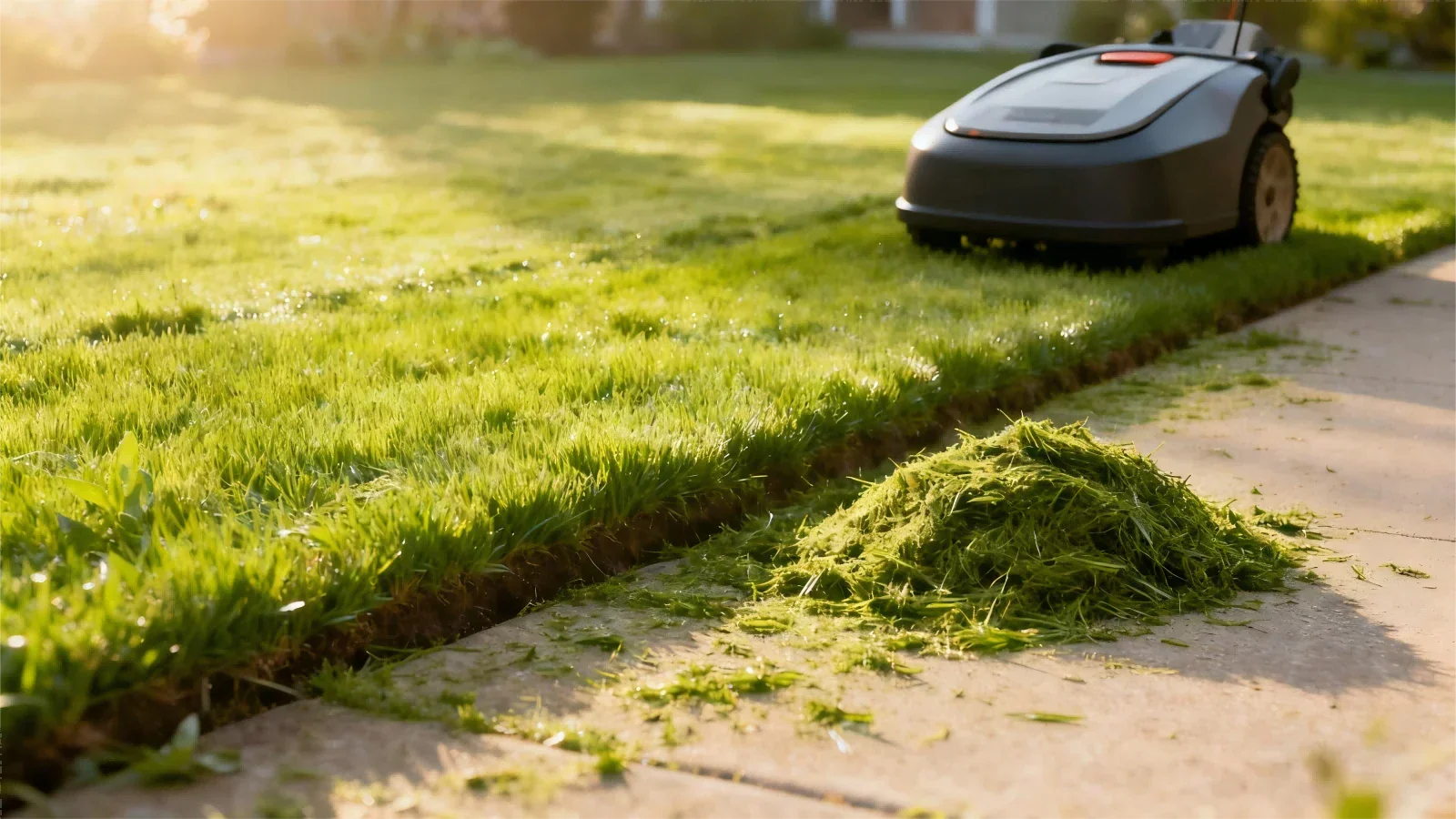
It's generally recommended to mow for the first time in late spring, once the grass has reached a height of about 5 to 7 cm. It's time to get your Segway Navimow i105 robotic lawnmower out and start another mowing session! Be careful not to cut the grass too short, as this can cause damage.
Important tips for mowing the lawn after winter dormancy
Of course, mowing your lawn correctly after its winter dormancy requires careful attention to several important details. If you follow our instructions, your lawn will be full of life in the spring!
Tip 1: Mow in mild weather
Mowing the lawn is best in mild weather, as the grass is then in an active growth phase. This makes it easier to cut and allows it to recover more quickly after mowing. It's important not to mow the lawn when it's excessively wet or dry. Wet grass sticks to the blades and causes blockages, while a dry lawn is more susceptible to damage. A mild climate puts less stress on the lawn, promotes even growth, and allows it to recover more quickly after its winter dormancy.
Tip 2: Avoid mowing in frosty conditions
Mowing in freezing conditions can seriously damage your lawn. Frozen grass is brittle and is often torn rather than cut cleanly by the mower, resulting in uneven cuts. Furthermore, the roots are less protected in frost and can be damaged by the mechanical stress of the mower. This disrupts grass growth and delays its recovery. To avoid damage and ensure optimal lawn care, wait for a milder day when the grass has thawed and the ground is no longer frozen.
Tip 3: Maintain the correct mowing height
This is a crucial point that is often overlooked. After the dormant period, the lawn should not be mowed too short. When the grass awakens from its winter dormancy, the new shoots are particularly delicate. Over-mowing puts unnecessary stress on the lawn and hinders its growth. Generally, a grass height of about 4 to 5 cm should be maintained for the first mowing. If your lawn is in a shady area, it should not be mowed shorter than 5 cm, as insufficient sunlight necessitates compensatory leaf thickening. In dry weather without irrigation, the grass height should not fall below 4 cm.
Tip 4: Mow the lawn in stages
Once the lawn has grown tall after its winter dormancy, it's advisable to mow it gradually rather than cutting too much at once. Ideally, no more than a third of the grass height should be removed with each mowing. Cutting more than a third of the grass length at once puts excessive stress on the lawn. This impairs its ability to absorb water and nutrients, thus jeopardizing its health. By mowing gradually, the lawn height can be adjusted incrementally. This prevents excessive exposure of the roots and promotes more even growth.
Tip 5: Create a suitable mowing plan
After winter dormancy, avoid mowing your lawn frequently right away. Start with a light cut and then let the lawn recover for about one to two weeks. Once it has stabilized, gradually shorten the intervals between mowings. After the second cut, you can gradually reduce the interval to weekly, provided the lawn remains healthy and isn't subjected to excessive wear and tear. By following these five tips for mowing after winter dormancy, you'll ensure your lawn grows healthy in the spring.
Care after the first cut: What to do after mowing?
After the first mowing during the winter break, you certainly can't just go home and sleep. Proper lawn care is also crucial. Here's what you need to know:
irrigation
When the lawn starts to sprout again in spring, plenty of moisture promotes rapid recovery and the growth of new blades of grass. Therefore, in the weeks following mowing, ensure regular watering, adjusted to the weather conditions and soil moisture, to stabilize the lawn's growth.
fertilization
Newly mowed lawns require additional nutrients. At this stage, it is recommended to use organic or mineral fertilizers specifically formulated for spring application. These contain readily available nitrogen that plants can absorb, providing them with essential nutrients, promoting growth, and improving disease resistance.
Scarifying
If the lawn is heavily matted or overgrown with moss, scarifying may be necessary. This improves soil aeration, promotes nutrient absorption, and encourages the growth of new grass.

Segway Navimow: The ideal robotic lawnmower for spring after winter dormancy
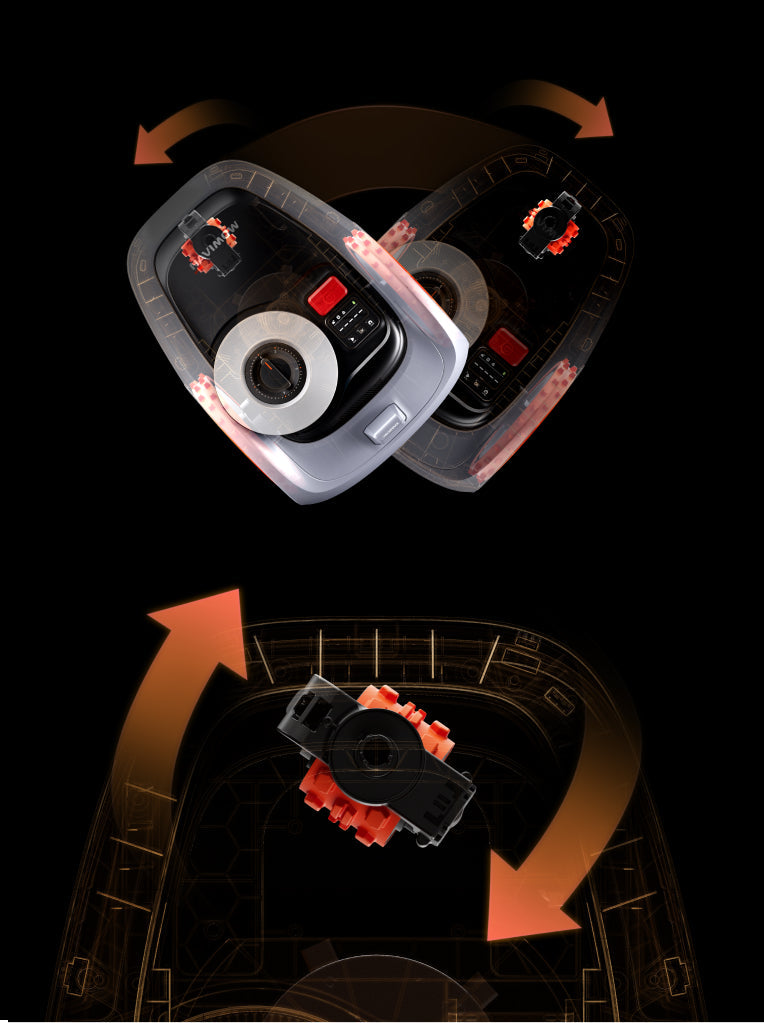
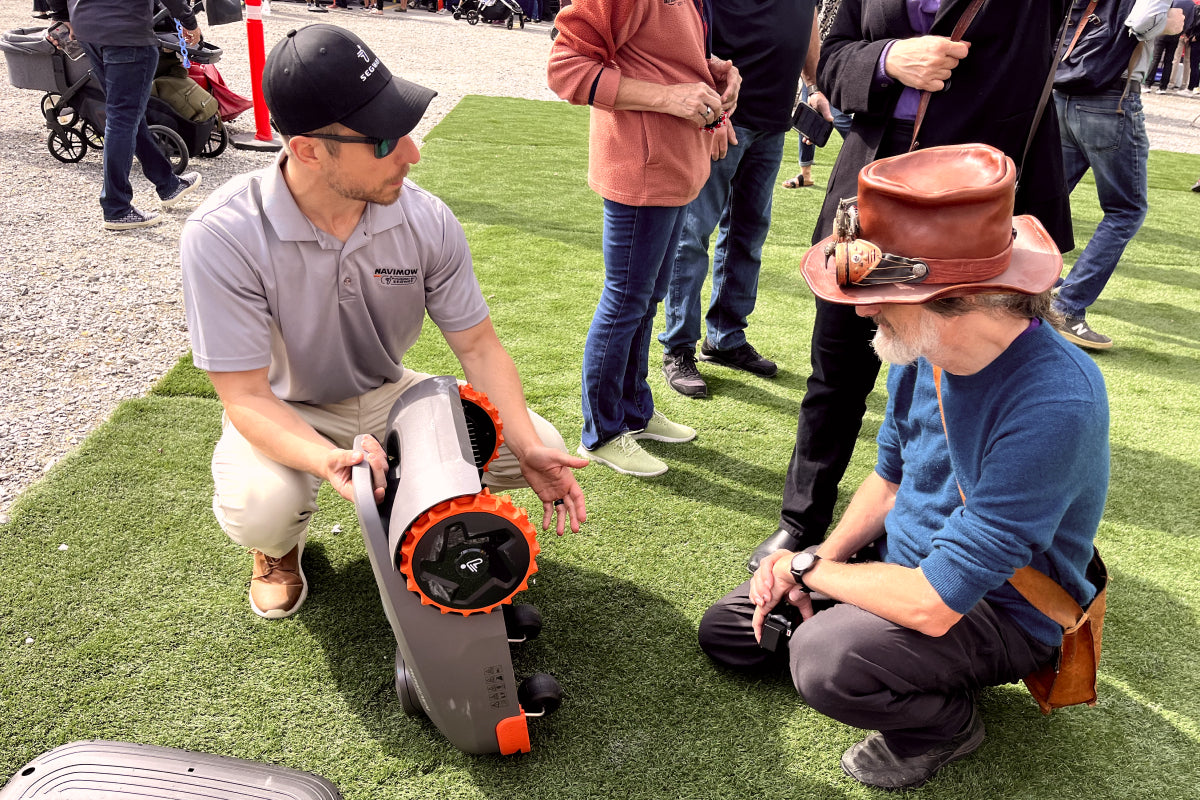
The Segway Navimow is the perfect solution for mowing the lawn after winter. Thanks to its H-GPS technology and lidar sensors, it ensures an even cut and precise lawn care without putting unnecessary stress on the grass. Especially after the winter break, the Navimow offers a gentle and efficient way to bring the grass to the right length without damaging the roots.
Thanks to its automatic cutting height adjustment, the Segway Navimow i-series, especially the i105 model, is ideal for medium-sized gardens up to 1,500 m². These models adapt flexibly to grass growth and have a cutting width of 22 cm. For larger gardens, the Segway Navimow X3-series, with a cutting width of 26 cm and a runtime of up to 120 minutes, is ideal. It allows for the efficient maintenance of even large areas up to 3,000 m².

Using the Segway Navimow app, homeowners can effortlessly control the mower and program it according to their own schedule. This ensures efficient, regular lawn care even during the winter dormancy, so the lawn is in top condition in the spring. Of course, the Segway Navimow H-series also offers more compact models for smaller gardens, specifically designed for such areas. So you don't have to worry about functionality. This series maintains your lawn precisely and efficiently, even after the winter break.
Conclusion
The key to a healthy, lush lawn in spring is mowing it correctly after its winter dormancy. If you follow our recommendations for gentle mowing and combine this with proper care and fertilization, your lawn will quickly regain its rich green color in spring and transform into a vibrant green oasis!
FAQs about mowing the lawn after winter dormancy
Can I fertilize the lawn immediately after the first mowing?
Yes, after the first mowing, the lawn is ready for fertilizer. However, make sure the soil is moist to avoid the risk of fertilizer burn. Over-fertilizing or incorrect application can damage the lawn.
Is it possible to start regular mowing immediately after the winter dormancy?
After the winter break, you shouldn't immediately resume regular mowing. The lawn needs time to recover from its dormant period. It's advisable to start with a light cut, leaving the grass at a height of about 4 to 5 cm. Once the lawn is growing normally again, the mowing intervals can be gradually shortened.
Should you mow the lawn when the ground is frozen or the grass is wet?
Mowing is not recommended when the ground is frozen or the lawn is wet. Frozen grass becomes brittle and tends to break when mowed, resulting in an uneven cut. Wet, slippery grass can also clog the mower blades, reducing cutting performance.

Share